

SEO strategy is not a checklist.
It is the structure behind how your business gets found, understood and chosen across Google, AI search and the wider digital journey.
For SMEs, that means knowing which pages matter, what your audience is asking and searching for, how your website should be designed and built, and how content, technical SEO, internal linking and authority all work together.
In a search landscape shaped by AI, shifting behaviour and rising competition, SEO needs more than isolated tasks. It needs a joined-up system – built around experience, clarity, structure and authority – so your brand is easier to find, trust and choose.
“Most businesses do not need more random content or isolated SEO activity. They need a clearer structure for being found, understood and chosen.”
What is SEO strategy?
SEO strategy is the plan behind how your website improves visibility for the searches that matter.
It defines the pages your website needs, how those pages should be structured, what technical foundations must be in place, and how content, internal linking and authority build long-term visibility.
A good SEO strategy helps your business attract the right traffic, answer the right questions and turn more of that visibility into better-fit enquiries.


On Foundations: five parts of smarter SEO
A smarter SEO strategy is built from connected parts.
Each one plays a role in how search engines understand your website, how AI systems interpret your expertise, and how customers decide whether you are the right fit.
Use this page as your starting point. Then explore the deeper guides for the areas that matter most.

On-page SEO: say it clearly, show it fast
On-page SEO is where strategy meets page-level clarity.
It helps search engines understand what each page is about, and it helps users find the answer they need without friction.
Good on-page SEO aligns titles, meta descriptions, headings, content structure and messaging so every page is easier to read, easier to index and easier to choose.
For a full breakdown, read our guide to On-page SEO for titles, headings and content structure.
Technical SEO: build for performance, not just appearance
Great content can still underperform if the website underneath is weak.
Technical SEO makes sure search engines can crawl, index, understand and trust your website. It also helps users move through your site quickly and confidently.
That means looking at speed, mobile performance, crawl accessibility, schema, redirects, indexability and the technical structure behind your pages.
For full performance guidance, explore our guide to technical SEO for performance and crawlability.


Local SEO: be the trusted choice near your customer
When search has location intent, trust becomes immediate.
For service-based businesses and local SMEs, Local SEO helps you appear in Maps, strengthen your Google Business Profile, build review confidence and show customers that you are relevant to their area.
It connects your website, your Google listing, your service areas, citations, reviews and local content signals.
Learn how to build stronger local visibility in our Local SEO and Google Business Listing optimisation guide.
AI Search: be featured, not forgotten
AI search is changing how people discover, compare and choose businesses.
Google AI Overviews, ChatGPT, Gemini and Perplexity can summarise answers before someone ever reaches your website. That does not make SEO less important. It makes clarity, structure and authority more important.
To perform in this landscape, your content needs to be clearly structured, answer-led, supported by schema and written with trust and usefulness in mind.
Our AI Search SEO guide explains how to optimise for AI-generated answers and stay visible as search behaviour changes.


Content and authority: build trust over time
SEO is not a moment. It is momentum.
Authority builds when your website has useful content, clear topic depth, original insight, strong internal linking and proof that supports the claims you make.
It is how search engines understand whether your website deserves visibility, and how users decide whether your business deserves trust.
For a deeper look at internal linking, authority and structure, read our Link Juice guide.
On Search now: why SEO strategy matters in the AI age
Search is no longer just a list of blue links.
People are seeing AI Overviews, comparing reviews, searching in Maps, asking questions in ChatGPT, and making decisions across more digital touchpoints than ever before.
That changes how visibility works.
Your website still needs to rank. But it also needs to be clear enough to be summarised, structured enough to be understood, and trusted enough to be chosen.
That is why SEO strategy matters now.
It helps your brand stay visible across the moments where decisions happen – from Google Search and Maps to AI-powered discovery.

If you have noticed impressions rising while clicks lag behind, that may be part of a wider shift in search behaviour. Our article on the crocodile effect in SEO explains why this happens and how smarter brands can adapt.
Using AI for website content?
AI can support content creation, but it cannot replace strategy, structure or human judgement.
If you are using AI to produce website content, read why AI content still needs SEO strategy – and why low-value, mass-produced pages are becoming harder to hide.
New website, but no better visibility?
A redesign should improve more than how your website looks.
If rankings, traffic or enquiries stay flat after launch, the issue is often what was missed underneath – technical SEO, page structure, internal linking or search intent.
Read why a website redesign can affect SEO and what to check before or after launch.
On SMEs: why strategy beats isolated activity
Most SMEs do not need more disconnected marketing activity.
They need a clearer route to visibility, trust and enquiries.
Without strategy, SEO becomes reactive. Pages overlap. Content loses purpose. Technical issues go unchecked. Internal links get missed. Visibility becomes harder to sustain.
With strategy, every page has a job to do.
Your service pages become clearer. Your content supports the right topics. Your technical foundations improve. Your Google Business Profile works harder. Your internal links guide users and search engines towards the pages that matter most.
That is how your website becomes more than an online brochure.
It becomes a structured growth asset designed to be found, understood and chosen.

On Better: the HeightOn approach
At HeightOn, SEO strategy is part of a joined-up system.
It connects brand, content, website structure, technical performance and search intent, so your website is built to do more than exist online.
Sometimes that means building SEO into a complete rebrand or website project from day one. Sometimes it means improving an existing website through a focused SEO retainer. Sometimes it means supporting your wider marketing team with clearer strategy, better structure and more useful content.
Either way, the goal is the same.
- Clearer visibility.
- Stronger trust.
- Better-fit enquiries.
We do not chase rankings for the sake of it.
We build systems that earn visibility over time – and keep supporting growth as your business evolves.
That is what we mean by Big On Better.

Ready to turn SEO into a clearer growth system?
If you want a clearer route to visibility, trust and enquiries, we can help you choose the right starting point.
On Answers: SEO strategy questions SMEs ask most
How do you build an SEO strategy?
You build an SEO strategy by identifying what your audience is searching for, mapping the pages your website needs, and improving the content, structure and technical foundations that support visibility in search.
That usually starts with topic, keyword and intent research. From there, you decide which services, locations, guides and proof pages your site needs to rank well and convert.
Then you strengthen on-page SEO, technical SEO, internal linking and authority so your website becomes easier for search engines to understand and easier for users to choose.
What should an SEO strategy include?
A good SEO strategy should include keyword research, search intent mapping, site structure, page planning, on-page SEO, technical SEO, internal linking, content development and authority-building.
For most SMEs, that means understanding which searches lead to real enquiries, creating the right pages to target them, improving headings and metadata, fixing crawl or indexing issues, and building trust through useful content, relevant internal links and commercial proof.
A complete SEO strategy should also define priorities. Not every SEO task matters equally, so the best strategies focus first on the actions most likely to improve visibility, traffic quality and enquiries.
Why is SEO strategy important for SMEs?
SEO strategy helps SMEs turn their website into a more consistent source of visibility, trust and enquiries.
Without a strategy, businesses often publish disconnected content, miss key search opportunities, duplicate pages, overlook technical issues and struggle to build momentum.
With a clear SEO strategy, each page has a purpose, each improvement supports intent, and the website works harder as a growth asset.
How long does SEO strategy take to work?
SEO strategy usually takes time to build momentum because search visibility improves through consistent gains, not one quick fix.
Some technical or on-page improvements can make an early difference, especially where pages are already close to ranking well.
Stronger results usually come from sustained work across content, internal linking, authority and technical SEO over several months.
The timeframe depends on your starting point, competition, website quality and how much useful content and proof already exists.
What is the difference between SEO strategy and SEO tactics?
SEO strategy is the long-term plan for improving search visibility. SEO tactics are the individual actions used to deliver that plan.
For example, your strategy might define which services to target, which pages to build, which search intents matter most and how authority should grow over time.
The tactics are the day-to-day actions that support it, such as rewriting a service page, improving metadata, fixing indexing issues, adding schema or strengthening internal links.
Put simply, strategy decides what matters and why. Tactics are how the work gets done.
Ready to get On?
Whether you are just getting started or rethinking how your business shows up in search, we can help you build the clarity, structure and strategy needed to improve visibility across Google, Maps and AI-driven discovery.
Get On. Be Found. Stay Seen.
Need more enquiries from Sussex search?
Explore our Sussex SEO plans.


Let’s talk – 01435 692 023
Horam, Heathfield, East Sussex





131 trees planted
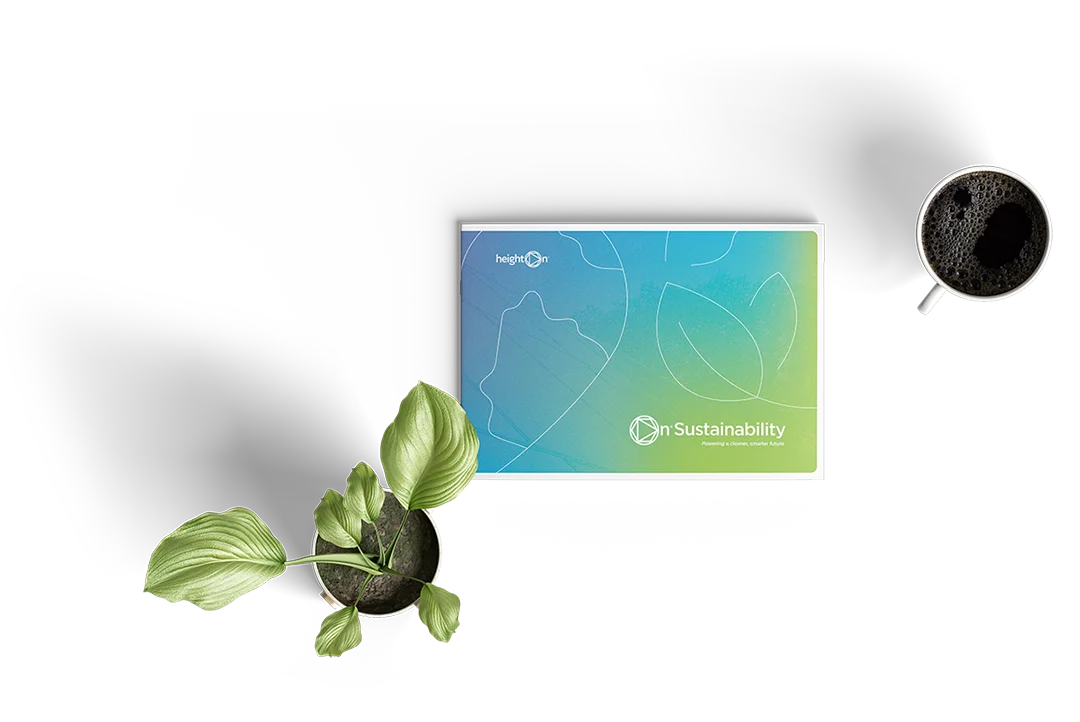
How we’re making better choices for people, planet and purpose.
On Sustainability – read more
