


Social Media Audit Checklist Template
Why social media
isn’t generating enquiries

Strategic social media management only works when it’s built on clarity, consistency and intent.
Use this practical 7-point social media audit to uncover what’s limiting visibility, weakening trust and holding back growth. No sign-up. No fluff. Just a clear, expert-built guide for ambitious SMEs who want better outcomes from social.
What is a social media audit?
A social media audit is a structured review of your brand positioning, messaging, content consistency and engagement performance across your social platforms. A good audit shows you what to fix first – so your social activity builds trust and enquiries, not just posts.
The aim is to spot where social breaks down – and what will move the needle fastest. It helps you identify:
- Where brand clarity is strong (and where it isn’t)
- Where messaging feels inconsistent or interchangeable
- Where engagement drops off, or never starts
- Where visibility isn’t translating into enquiry
Social media audits aren’t just about analytics. They’re about alignment.

This social media checklist template is designed for ambitious SMEs who want clarity – not just metrics. It gives you a structured framework to review brand positioning, content consistency, engagement quality and platform alignment.
You can use this template internally, share it with your marketing team or apply it before investing in social media management.
Here’s what we’ll uncover:
Brand clarity & positioning
Messaging & consistency
Platform alignment & intent
Content structure & quality
Engagement & community
Visibility & discoverability
Conversion & commercial impact
Success Stories

On Branding: electrical engineers brand development at industrial scale
On Recruitment: positioning a global regulatory recruiter for growth
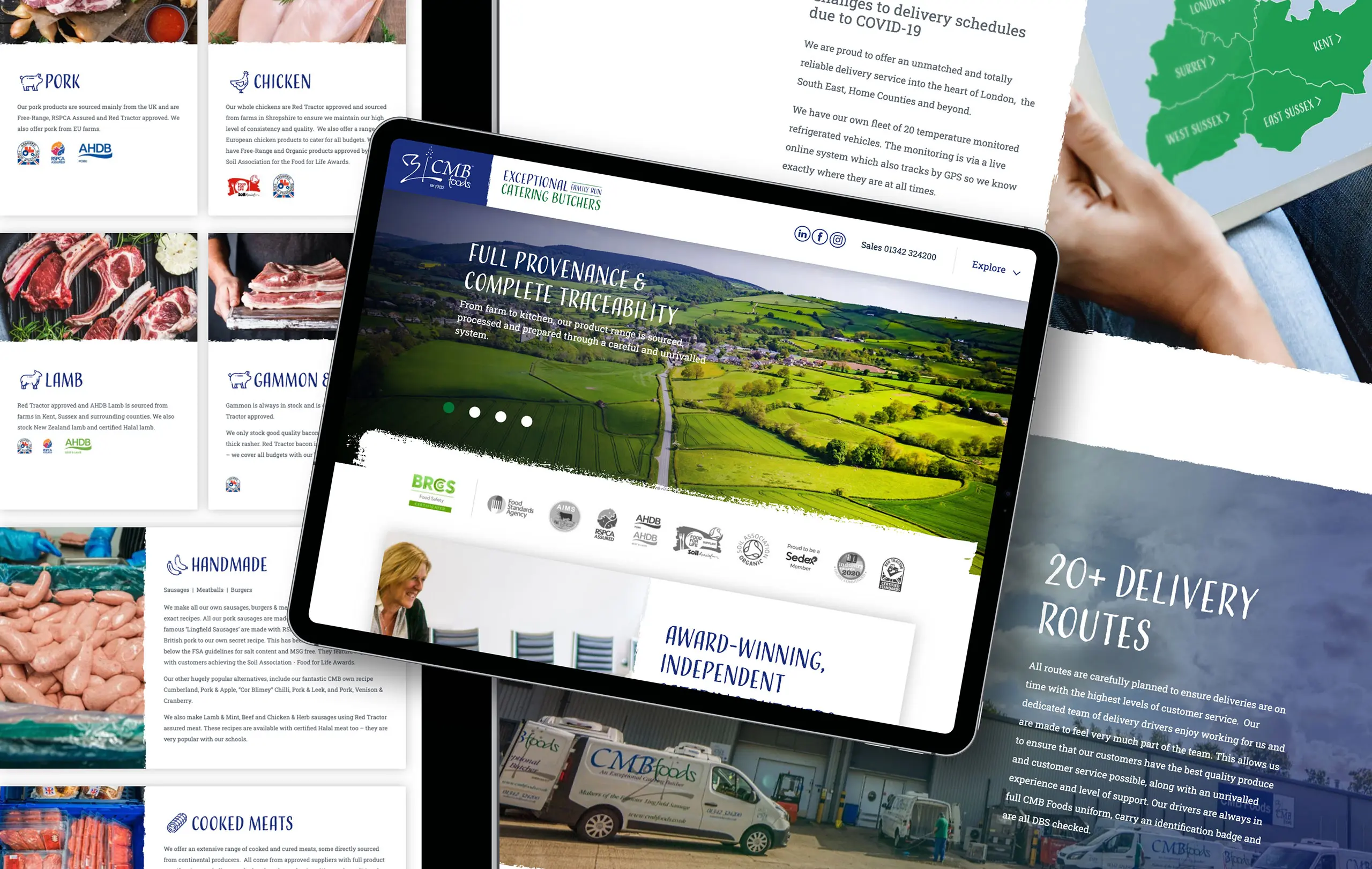
On Growth: raising the bar for an award-winning commercial catering butchers

Moving in On digital marketing that delivers for industrial electrical engineers

On Growth: how we transformed a hair salon’s digital presence
On Rebranding: designing a confident new brand identity for a high-end builder
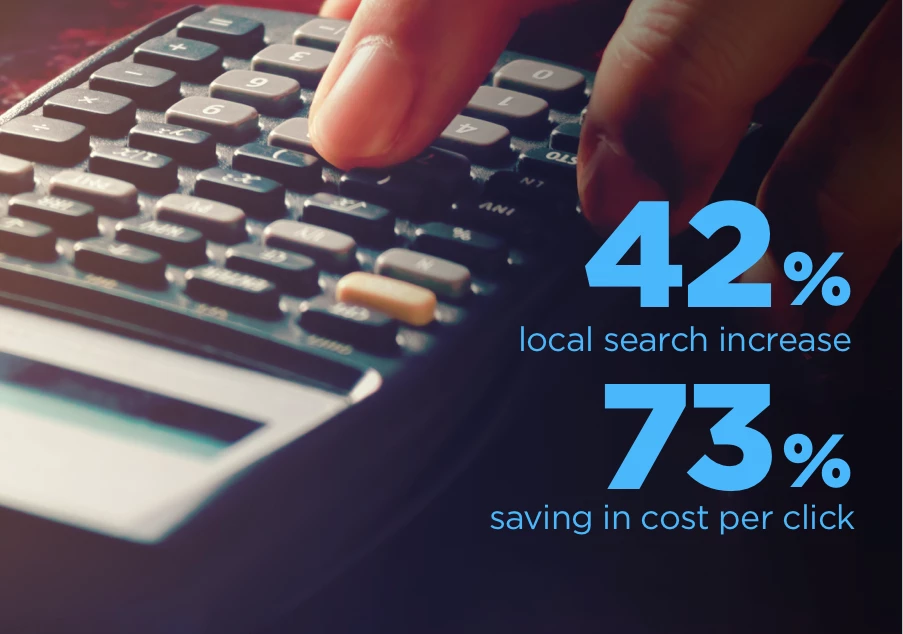
On the Money: turning digital performance into real leads for DMC Accountants
Your 7-point social media checklist template for SMEs
This checklist is designed to help you spot what’s costing you visibility, trust and enquiries – and show you where to improve.


On Brand clarity & positioning
Social media amplifies what’s already there. If your brand positioning is unclear, social activity will magnify that confusion.
Ask yourself:
- Is it obvious what we do within 3 posts?
- Do we consistently speak to a defined audience?
- Is our positioning distinctive – or interchangeable?
- Would someone recognise our content without the logo?
On Why this matters

Without clarity, frequency won’t help. Strong social presence starts with clear positioning and defined intent – not volume.
If your foundations feel unclear, revisit your brand thinking before you increase activity.
On Consistency & messaging clarity
Posting consistency only works when messaging consistency exists first.
Check:
- Is our tone of voice consistent?
- Are we repeating core themes and messages?
- Do visuals feel cohesive across platforms?
- Does our content reinforce the same narrative over time?
On Why this matters
Trust builds through repetition. If your message shifts weekly, trust resets weekly.
Structured social media management ensures your narrative compounds – rather than fragments.
On Platform intent & alignment
Not all platforms serve the same purpose.
Ask:
- Are we posting on platforms that match our audience?
- Is LinkedIn being used differently to Instagram?
- Does content reflect platform behaviour?
- Are we spreading effort too thinly?
On Why this matters
Effective social strategy aligns content type, audience behaviour and commercial intent. Effort should be focused – not scattered.
On Content structure & quality
Volume without structure creates noise.
Review:
- Do posts follow a recognisable format or structure?
- Are headlines strong and clear?
- Is content written for humans, not algorithms?
- Does each post have a purpose?
On Why this matters
Clear, structured content increases engagement and makes your brand easier to understand. Random posting reduces momentum.

On Engagement & community
Social media is not just broadcasting – it’s interaction.
Ask:
- Are we responding consistently to comments and messages?
- Are we encouraging conversation?
- Are team members supporting visibility?
- Does engagement feel intentional or reactive?
On Why this matters
Algorithms reward engagement. Audiences reward authenticity. Community builds visibility and trust simultaneously.
On Visibility & discoverability
Social media should support wider visibility – not exist in isolation.
Check:
- Are we publishing Google Business posts?
- Does social support SEO and brand search?
- Are we using consistent hashtags and themes?
- Is content shareable beyond our own audience?
On Why this matters
Social works best as part of a joined-up system – connecting brand, website and search visibility.

On Conversion & commercial impact
Likes don’t pay invoices. Enquiries do.
If social is active but not converting, our Strategic social media management for ambitious SMEs page shows how we structure content, community and campaigns to support growth.
Review:
- Do posts guide users toward clear next steps?
- Is there a visible CTA?
- Are we capturing enquiries from social traffic?
- Is social supporting lead quality – not just volume?
On Why this matters
Strategic social media supports growth. Reactive social media supports activity.
If visibility isn’t translating into conversations, the structure needs refining.
FAQs
Is this a free social media audit?
It’s a practical 7-point checklist you can run yourself. If you’d like a second opinion, we can walk through it with you.
How long does it take?
Most businesses can complete it in 10–15 minutes.
What do I do if I find gaps?
Start with brand clarity and messaging. Structural issues compound – so fix foundations first.
Will this increase engagement?
Yes – if the improvements are strategic. Engagement improves when clarity improves.
Is this only for certain industries?
No. This framework works for SMEs across B2B, retail, professional services and local businesses.
On Knowing what to do next
If this checklist highlights deeper brand or messaging gaps, your next step isn’t more posting – it’s better clarity.
You may want to explore:
Strategic Social Media Management for Ambitious SMEs
Why Social Media Is Only As Strong As Your Brand
On Launch: why brand teaser campaigns work
Or we can walk through your social presence with you – clearly, honestly and without pressure.

Already posting consistently but not seeing results?
If brand clarity is weak, social media amplifies the confusion.
If structure is strong, social media compounds visibility.
That’s why we build social into a wider brand and digital system – not as a standalone task.
“Social media only works when it’s built on brand clarity, consistency and intent.”






Let’s talk – 01435 692 023
Horam, Heathfield, East Sussex






131 trees planted
How we’re making better choices for people, planet and purpose.
On Sustainability – read more
