

Our solution and design lead, Chris, has more than 20 years’ experience creating websites, content systems and design structures that strengthen clarity, authority and user experience. He brings a practical, human-first approach to turning complex information into content that’s easy to understand – for both users and search engines.

Search engines rely on links to understand which pages on your website matter most. Link Juice – the flow of authority between pages – helps search engines decide which content deserves visibility, trust and long-term ranking strength.
Most websites don’t struggle because they lack content – they struggle because their content isn’t connected. Internal linking is how you turn isolated pages into a structured system that builds relevance, clarity and long-term authority.
This guide focuses purely on internal linking, content hierarchy and authority flow. If you’re exploring SEO from a broader strategic viewpoint, visit our SEO strategy guide.
Contents
Note: Link Juice also applies to external backlinks, but this guide focuses specifically on the internal authority signals you control within your website. External backlink authority is part of Off-Page SEO and will be covered separately soon.
What is Link Juice?
Link Juice describes how authority passes between pages on your website.
Search engines interpret links as:
- signals of importance
- indicators of hierarchy
- connections between related topics
- pathways for crawling
Not all links carry the same value.
Some elevate your most important pages, while others dilute relevance.
Your goal is to guide authority intentionally – not accidentally.
For how on-page elements support this authority flow, visit the On-page SEO guide.
Why internal links matter
Internal linking is one of the strongest – yet most overlooked – SEO levers.
Effective internal links:
- clarify your content hierarchy
- reinforce topical depth
- strengthen priority pages
- improve crawl efficiency
- reduce orphaned pages
- support multi-location structures
- improve UX and engagement
Unlike backlinks, internal links are fully in your control, making them a high-impact optimisation.
For structured technical foundations that support internal linking, visit the Technical SEO guide.
Internal linking isn’t just technical – it’s how you show search engines which pages deserve attention and how your expertise connects across your content.

How search engines evaluate authority
Search engines use internal links to judge:
Relevance
Pages linked together are deemed related.
Hierarchy
Pages receiving more internal links appear more important.
Context
Anchor text helps interpret meaning and topic.
Depth
Pages buried too deep may not be crawled frequently.
Connectivity
Pages with few internal links are seen as lower value.
Authority isn’t only built externally – it’s shaped significantly by your internal structure.
Explore how these signals also influence AI-driven discovery in our AI Search SEO guide.
Once search engines understand your authority patterns, the next step is shaping a system that reinforces those signals consistently.
Smarter SEO to
Switch On Success
Let’s build better – 01435 692 023
Building a strong internal linking system
A strong internal linking framework includes:
1. Cornerstone pages
Comprehensive top-level resources that link to more specific supporting articles.
2. Supporting pages
Focused guides that explore specific topics and link back to their cornerstone.
3. Logical pathways
Links placed where users naturally expect them – not forced.
4. Consistent anchor text
Descriptive wording that clearly reflects the destination page.
5. Shallow depth
Priority pages should sit within 3–4 clicks of your homepage.
For location-based content, internal linking also strengthens relevance – explained in the Local SEO guide.
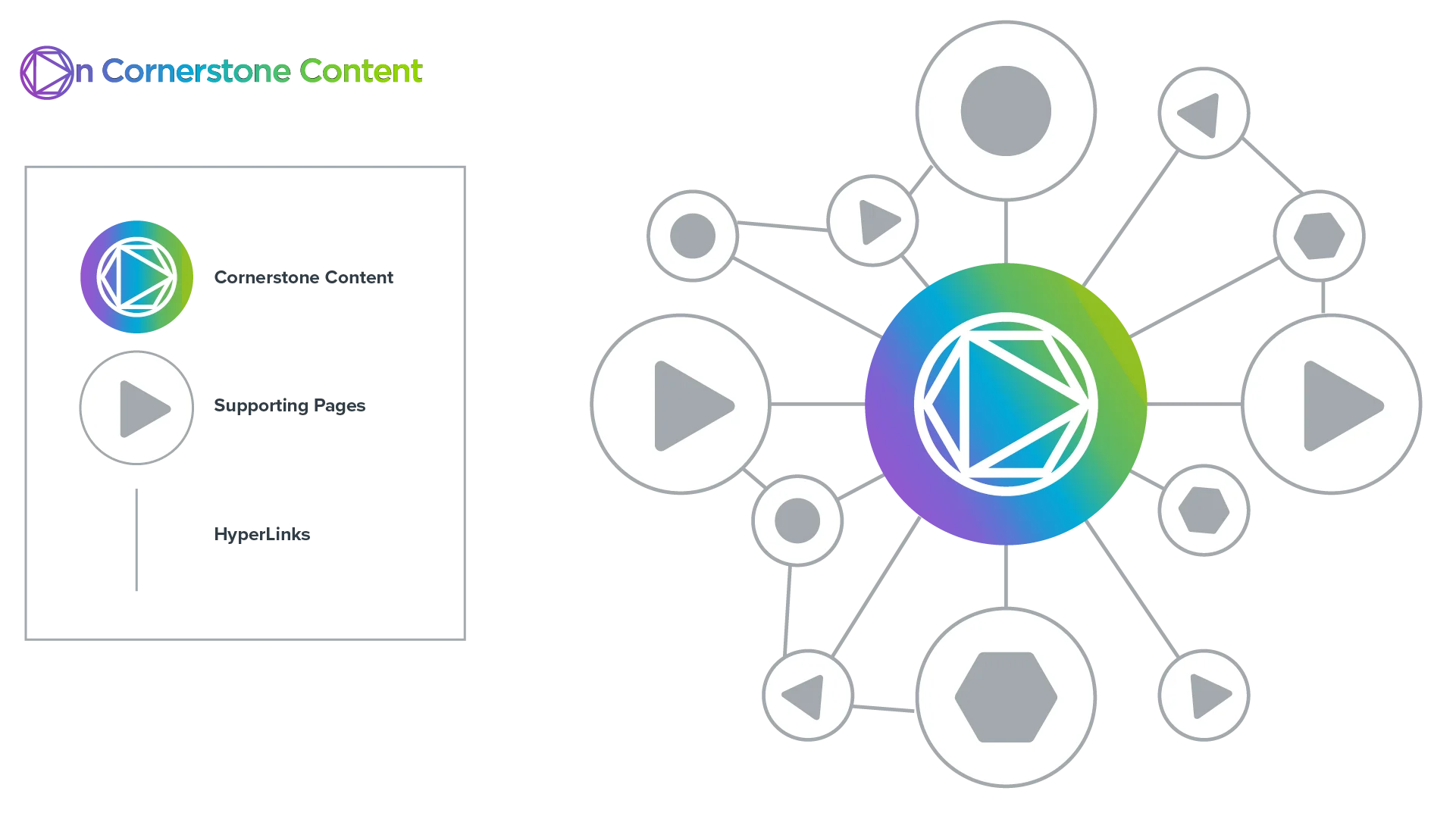
Cornerstone content & supporting pages
Cornerstone content acts as the hub of your most important topics.
Cornerstones:
- offer deep and comprehensive coverage
- link out to relevant supporting resources
- receive links back from topic-specific pages
- strengthen topical authority
- help search engines understand your expertise
Supporting pages focus on specific angles of a topic.
When connected thoughtfully, they create a clear, high-authority content ecosystem.
Structuring authority flow
Authority flow shapes how search engines understand your priorities.
To guide authority intentionally:
- link towards your most valuable pages
- link from pages with strong, relevant content
- use descriptive, natural anchor text
- avoid linking from thin or outdated pages
- avoid mixing unrelated topics
- ensure clean technical performance for easy crawling
(more in the Technical SEO guide)
Authority works like water – it flows best through clear, deliberate pathways.
Positive Link Juice: fuelling your SEO success
Positive Link Juice is the momentum behind stronger rankings – it amplifies your most valuable pages and makes your expertise easier for search engines to trust.
When helpful, relevant internal links point to key pages, search engines treat those pages as more trustworthy, more relevant and more deserving of visibility. This is how authority strengthens and flows through your content.
Healthy Link Juice flow happens when:
- your strongest pages receive the clearest internal links
- supporting content links back with descriptive anchor text
- cornerstone pages sit at the centre of your topic
- users naturally move between related pages
- high-quality content passes authority to other strong pages
- your navigation reinforces your core structure
This creates momentum for your SEO – your most valuable pages consistently gain strength, trust and prominence.
Note: Although external backlinks also provide valuable authority, internal Link Juice determines how well that authority is distributed across your site. A strong internal structure amplifies the impact of any external links you earn.
Positive Link Juice is the engine that pushes your visibility forward.
Toxic authority flow is what slows it down.
Avoid toxic authority flow (internal only)
Most people think “toxic links” only come from spammy external backlinks – but websites can create toxic authority patterns internally too.
Internal “toxic” link flow typically happens when:
- thin or low-value pages receive too many internal links
- outdated content still attracts authority
- duplicate or near-duplicate pages dilute topical meaning
- deep, low-value pages link to important ones in irrelevant contexts
- internal redirects create unnecessary dead ends
- tag/category archives accumulate authority without adding value
These issues don’t cause penalties – but they weaken your strongest pages, dilute relevance and confuse search engines.
To prevent toxic authority flow:
- remove or minimise links to outdated/low-value content
- consolidate thin pages into stronger evergreen resources
- prune empty or unnecessary tag/category archives
- redirect weak content into relevant, stronger pages
- ensure your top pages receive clear, intentional internal links
Clean authority flow is just as important as strong authority flow.
Common internal linking mistakes
Avoid these common issues:
Orphaned pages
No incoming links → low perceived value.
Over-linking
Too many links close together harm readability and dilute impact.
Weak anchor text
“Click here” carries no meaning.
Descriptive anchors strengthen context and relevance.
Unrelated linking
Connecting unrelated topics confuses both users and search engines.
Inconsistent link patterns
Search engines reward clarity and consistency.
For help structuring page content cleanly, refer to the On-page SEO guide.
Practical internal linking improvements
Simple steps that improve Link Juice across your site:
- Review cornerstone pages. Ensure your most important pages receive meaningful internal links.
- Group related content together. Link within related themes before linking more broadly.
- Improve anchor text. Use descriptive, natural, topic-aligned wording.
- Reduce page depth. Bring important pages closer to your primary navigation.
- Fix orphaned pages. Every valuable page should receive internal links.
- Clean your sitemap. Remove outdated, duplicate or unused content paths.
For multi-location or local-service businesses, see our Local SEO guide for additional linking approaches.
If you’d like expert support shaping a stronger internal linking system or improving your site’s authority, explore our SEO services to see how we can help.
HeightOn Insight
From hundreds of audits, we see the same pattern:
Businesses often create great content – but forget to connect it.
A thoughtful internal linking system transforms your content from isolated pages into a structured, meaningful experience.
Link Juice is what brings your content – and your authority – together.
Link Juice FAQs
Below are the most common questions businesses ask when improving their internal linking and authority flow.
What is the purpose of internal linking?
To help search engines understand your structure and pass authority between pages.
How many internal links should a page have?
There’s no fixed number – relevance and clarity matter more than quantity.
What is the best type of anchor text?
Descriptive, meaningful wording that aligns with the destination page.
Should every page include internal links?
Any page you want indexed or ranked should.
Is Link Juice the same as PageRank?
Link Juice is a simpler way of understanding authority flow.
Can internal linking improve rankings?
Yes – when implemented intentionally and consistently.
Ready to get On?
If you want to strengthen your content structure, build clearer authority signals and help search engines understand your expertise, we can help you design a smarter internal linking system.
Get On. Build Authority. Stay Connected.
Latest Articles

Using AI for website content? Why SEO strategy still matters

What does a PPC agency do?
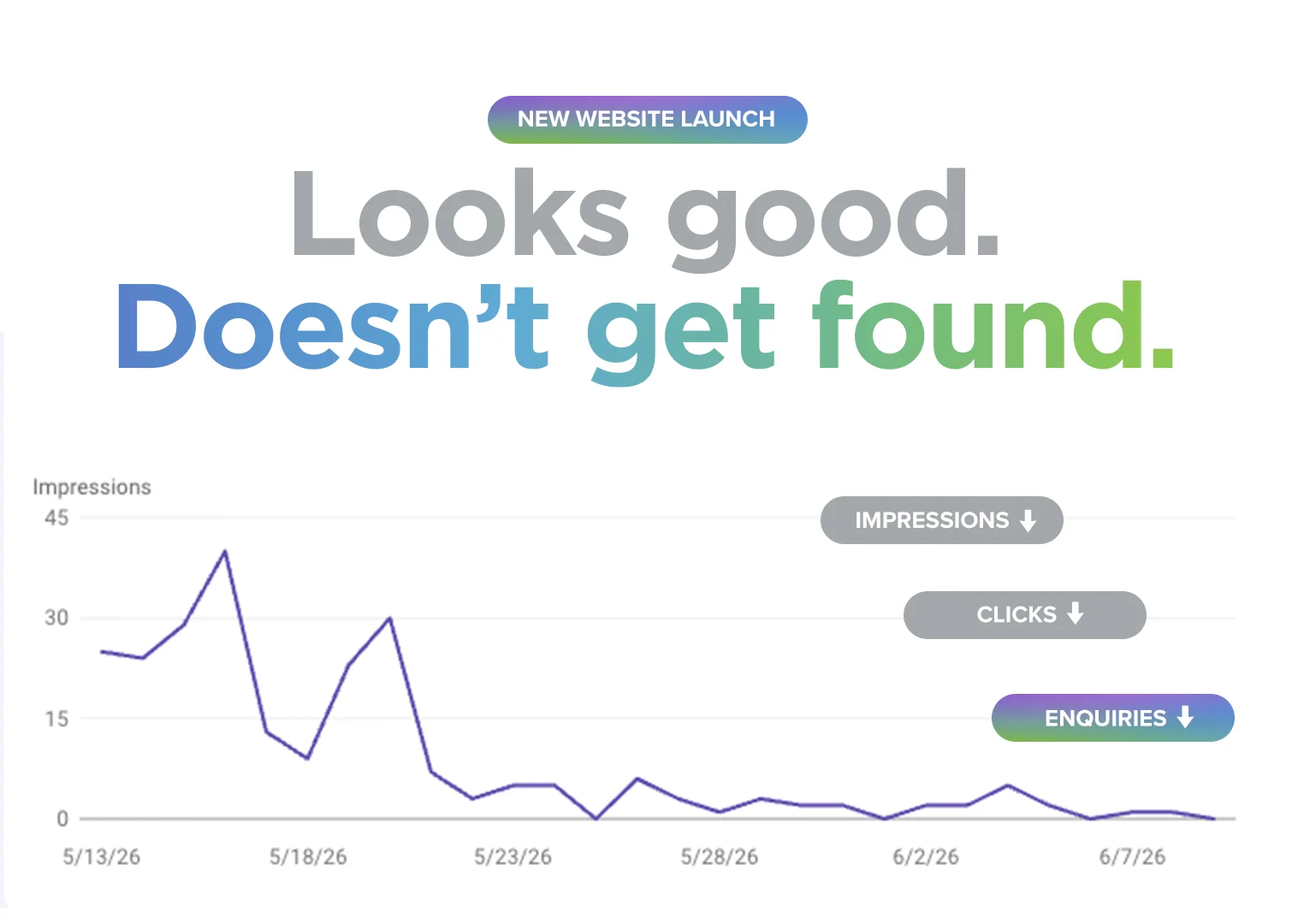
Why your new website looks great but still isn’t getting found


Let’s talk – 01435 692 023
Horam, Heathfield, East Sussex





131 trees planted
How we’re making better choices for people, planet and purpose.
On Sustainability – read more
