

Our solution and design lead, Chris, has more than 20 years’ experience creating websites, content systems and design structures that strengthen clarity, authority and user experience. He brings a practical, human-first approach to turning complex information into content that’s easy to understand – for both users and search engines.


Technical SEO is the unseen engine that powers your website’s visibility. It’s what helps search engines access your content, understand your structure and evaluate your performance. Without it, even the strongest content fails to reach the audience it deserves.
Most websites don’t fail because their content is weak – they fail because search engines can’t properly access, interpret or trust that content. Technical SEO ensures nothing gets in the way of being discovered.
Contents
This guide focuses purely on technical performance and accessibility – the code, speed, structure and crawlability factors that determine how well search engines can interpret your website.
If you’re looking for strategy, content design or internal linking principles, you’ll find deeper insights in our SEO strategy guide and supporting SEO series.
What is technical SEO?
Technical SEO is the work that ensures your website is:
- fast
- stable
- accessible
- easy to crawl
- easy to understand
- structured logically
It focuses on how your website functions, not what it says.
Technical SEO includes:
- page speed
- Core Web Vitals
- server response
- code quality
- mobile performance
- crawlability
- indexation
- URL structure
- redirect health
- structured data
- sitemap quality
- canonicalisation
It forms the foundation of every successful SEO strategy – which you can explore in more detail in our SEO strategy guide.
Why technical SEO matters
A website can only perform as well as its technical foundations allow.
Even the best content struggles if:
- your site loads slowly
- Google can’t crawl key pages
- scripts block rendering
- your sitemap is noisy
- your architecture is confusing
- pages aren’t mobile-friendly
Technical SEO influences:
- visibility
- crawl efficiency
- user experience
- ranking stability
- AI Overview eligibility
For content-level optimisation, see the On-page SEO guide.
The core elements of technical SEO
Strong technical performance includes:
- clean, semantic code
- well-structured HTML
- optimised CSS and JavaScript
- efficient server response
- minimised render-blockers
- compressed, modern image formats
- correct canonical tags
- accurate redirects
- functioning XML sitemap
- logical URL structure
These elements allow search engines to fully interpret – and index – your content.
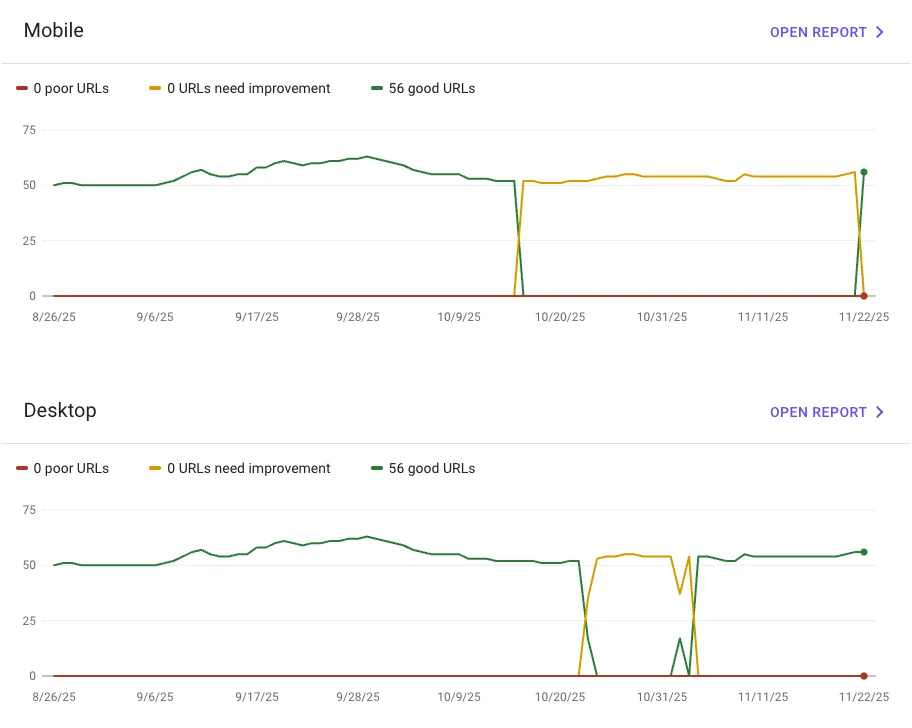
Speed, performance & Core Web Vitals
Performance is one of the biggest technical ranking factors.
Google uses Core Web Vitals to measure:
- LCP (Largest Contentful Paint) – loading speed
- CLS (Cumulative Layout Shift) – visual stability
- INP (Interaction to Next Paint) – responsiveness
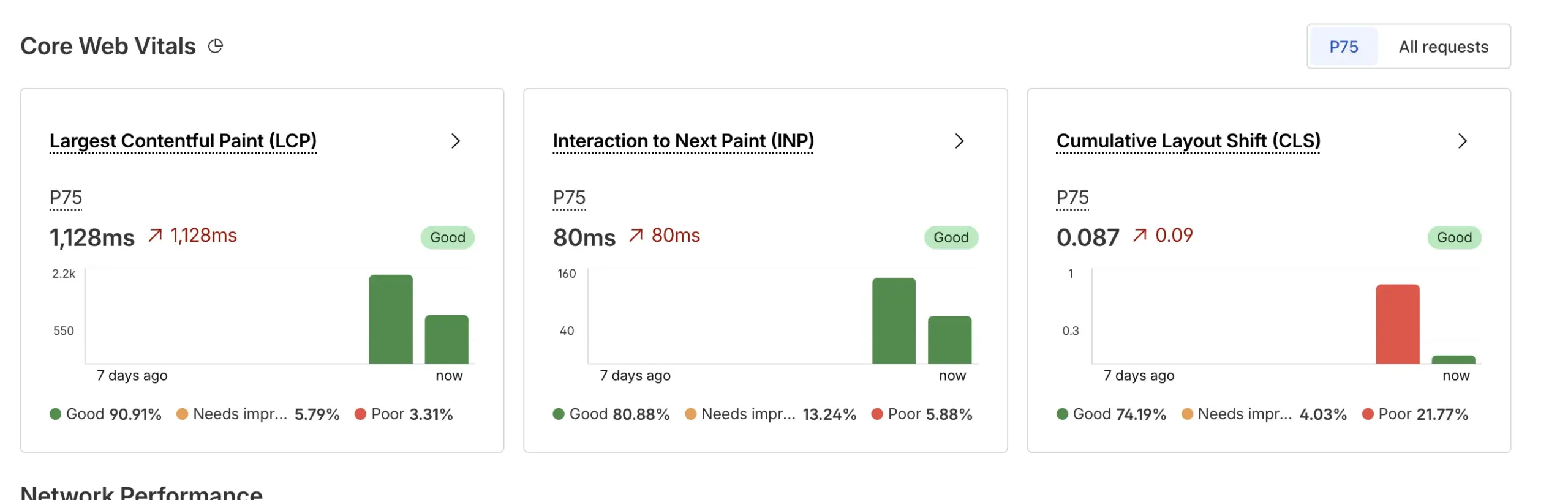
To improve Core Web Vitals:
- compress oversized images
- reduce unused JavaScript
- preload key hero assets
- defer non-critical scripts
- optimise server caching
- streamline your plugin stack
- minimise layout shifts
For non-technical optimisations that also improve user clarity, see the On-page SEO guide.
Once performance is strong, the next priority is ensuring Google can actually find and index your content. Here’s what this looks like in practice:
Crawlability & indexing
If search engines can’t access a page, they can’t rank it.
Crawlability depends on:
- correctly configured robots.txt
- a clean, valid XML sitemap
- well-structured internal linking
- no redirect loops
- consistent canonicalisation
- avoiding JavaScript-only content
- preventing accidental noindex tags
For content structure that helps both users and crawlers, refer to the On-page SEO guide.
Indexing & real-world examples
Understanding indexing is the difference between content that’s visible and content that never reaches your audience.
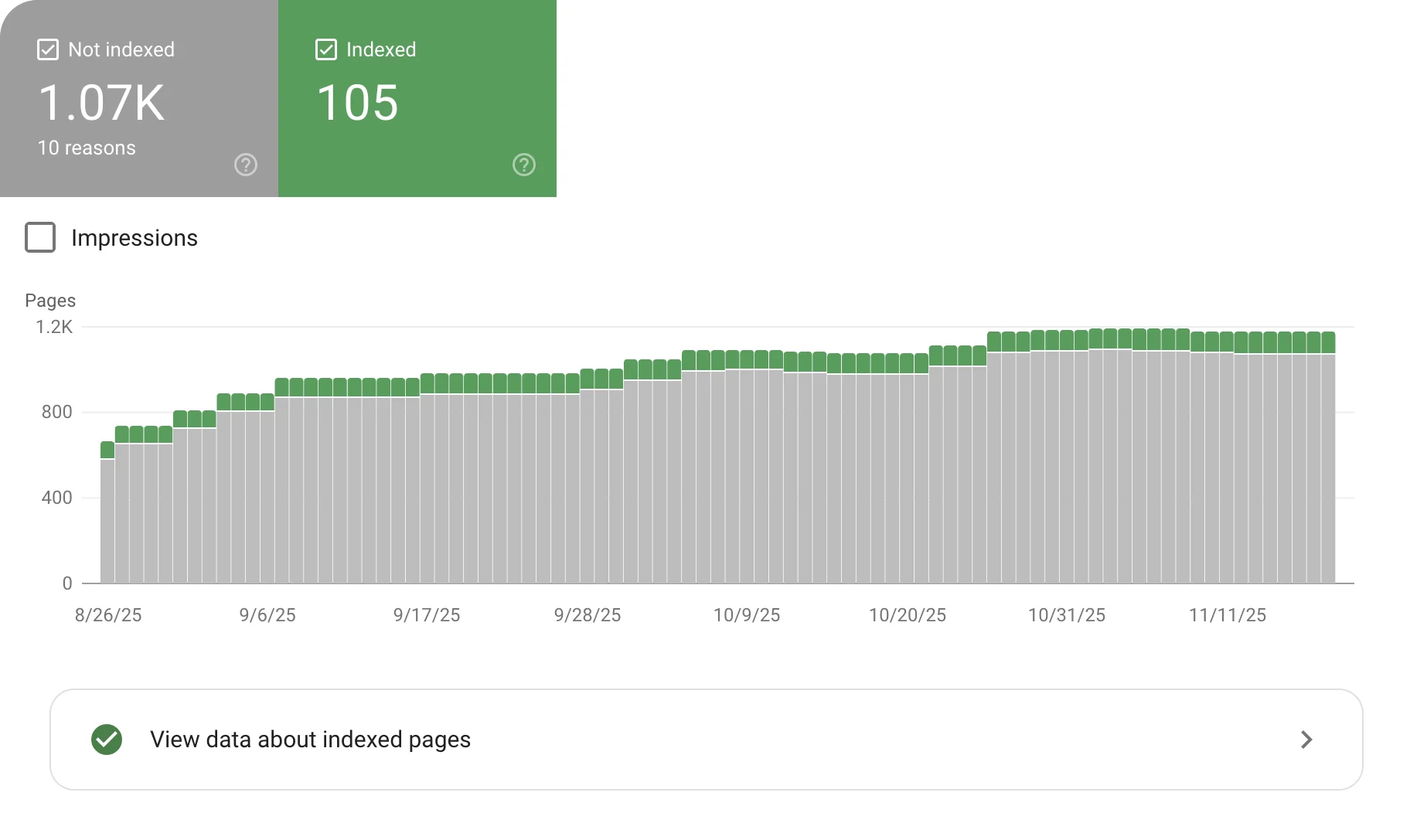
What this means
This site currently has 105 indexed pages – these are the URLs Google actively recognises, crawls and uses to rank your content.
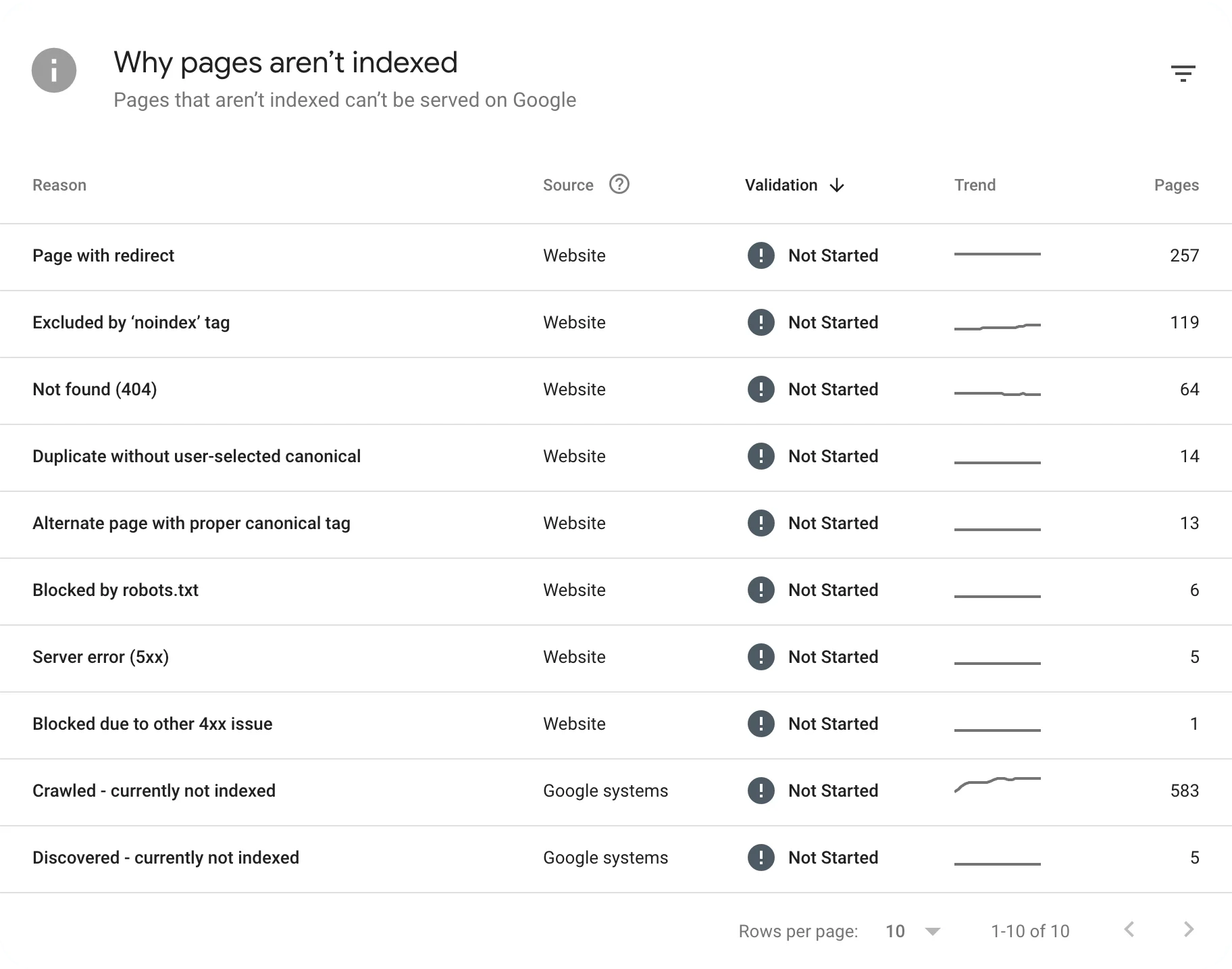
The remaining 1,070 non-indexed URLs come from:
- historic site versions
- expired development / staging environments
- redirects
- old drafts or test pages
These aren’t harmful, but they create noise in your indexing report and make it harder to analyse actual SEO performance.
The goal isn’t to index everything – it’s to ensure that:
- important pages are indexed
- unnecessary pages are intentionally excluded
- historic noise doesn’t slow down crawling efficiency
This is why clean sitemaps, correct canonicals and a well-organised content structure matter so much.
Site structure & architecture
Your site’s structure determines how easily search engines can understand your hierarchy.
Good architecture includes:
- shallow depth (important pages within 3–4 clicks)
- clear categories
- consistent URL patterns
- no “dead ends”
- well-defined supporting content articles
- thoughtful internal linking
If you’re building location-based landing pages, a structured content group is essential – supported by internal linking best practices found in our Link Juice guide.
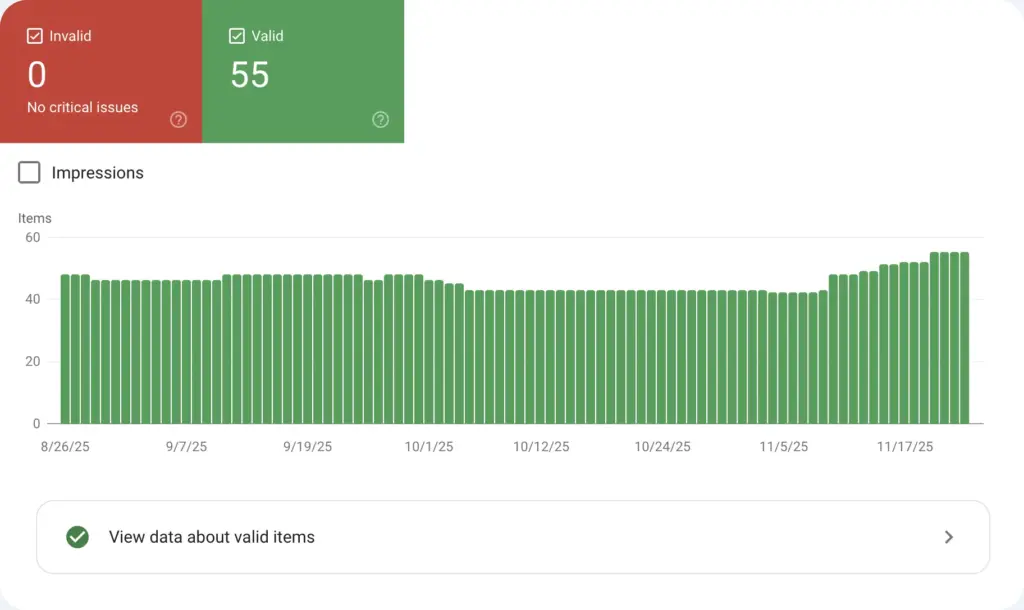
Video schema indexed by Google
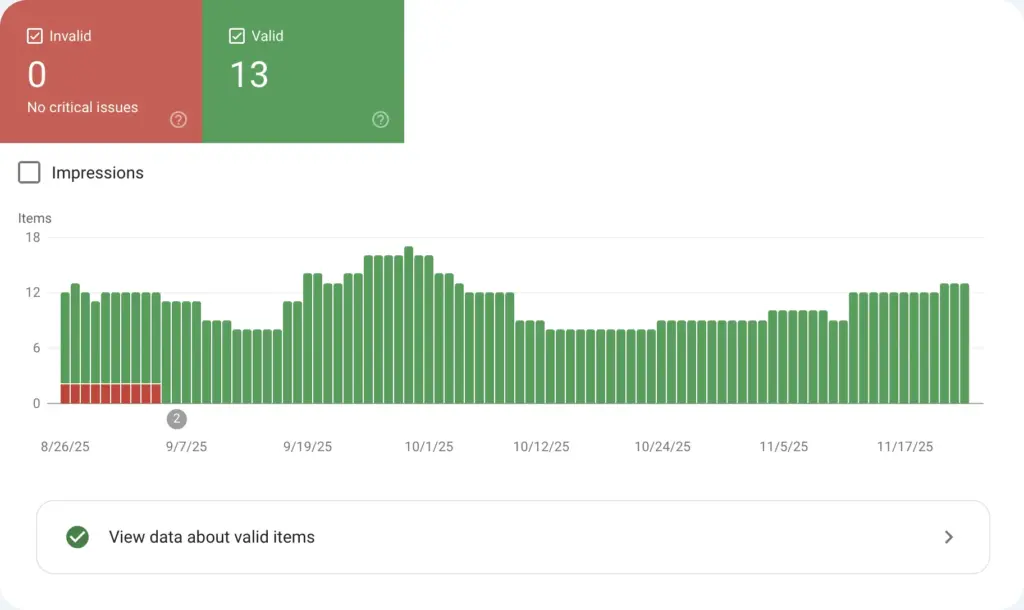
FAQs schema indexed by Google
Schema & structured data
Structured data helps search engines interpret your content more accurately.
Schema supports:
- AI Overview extraction
- rich result eligibility
- clearer topical interpretation
- improved content grouping
Useful schema types include:
- Article
- FAQ
- Breadcrumb
- Local Business
- Product
- Service
For how structured content helps with generative AI visibility, explore our AI Search SEO guide.
Mobile optimisation
Most local and service-based searches happen on mobile.
A frictionless mobile experience is essential for both human users and search engines.
Mobile optimisation includes:
- responsive layout
- touch-friendly controls
- legible font sizes
- lightweight images
- clean spacing
- fast load speed
- reduced clutter
Mobile performance also affects Local SEO – detailed further in our Local SEO guide.
Technical checks you can action today
Here are five quick improvements that make an immediate impact:
Check your indexing
Use Google Search Console to confirm priority pages are indexed.
Review your page speed
Run tests via PageSpeed Insights to identify bottlenecks.
Clean your sitemap
Remove duplicates, test URLs, old drafts or redirects.
Fix broken links
Identify and resolve 404s or redirect chains.
Reduce render-blocking scripts
Defer non-essential JS and tidy up unused code.
HeightOn Insight
After hundreds of technical reviews, we’ve learned something simple but powerful: most technical issues are small individually – but transformative collectively.
The fastest, cleanest websites rarely rely on one big optimisation.
They’re built through dozens of small, thoughtful technical decisions that compound over time.
Technical SEO FAQs
How important is site speed for SEO?
Extremely. It affects rankings, bounce rate, engagement and conversions.
How do I check if Google is indexing my pages?
Use Google Search Console or search site:yourwebsite.com/page-url.
Do I need schema markup?
It’s not mandatory, but it improves clarity, relevance and AI Overview eligibility.
What causes indexing issues?
Blocked pages, JavaScript rendering, misconfigured robots.txt, accidental noindex tags, or weak internal linking.
Should every page have a canonical tag?
Pages with duplicate or similar variations should. Canonicals help avoid confusion.
How technical does my site need to be?
Not complex – just clean, structured, fast and stable.
Ready to get On?
If you want a faster, clearer and more crawlable website, we can help you strengthen the technical foundations that improve performance and long-term visibility.
Get On. Build Better. Stay Fast.
Latest Articles

Using AI for website content? Why SEO strategy still matters

What does a PPC agency do?
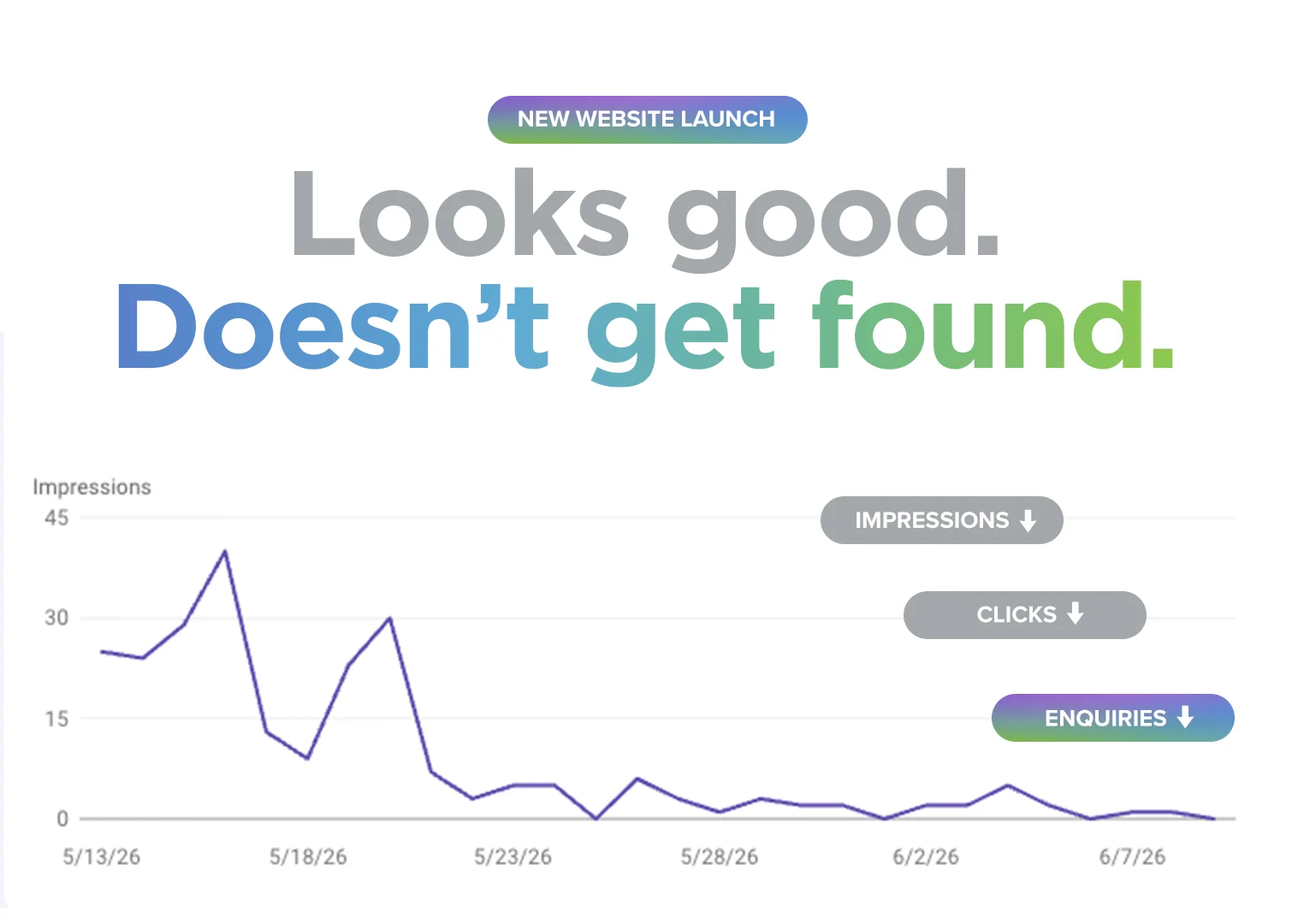
Why your new website looks great but still isn’t getting found


Let’s talk – 01435 692 023
Horam, Heathfield, East Sussex






131 trees planted
How we’re making better choices for people, planet and purpose.
On Sustainability – read more
