

With 20+ years building brands across print and digital, Chris brings clarity to every stage of the customer journey. His approach connects the dots between awareness, consideration and post-purchase touchpoints – helping SMEs create consistent, credible and memorable brand experiences.


Every time someone sees your logo, reads your email, or visits your website, that moment is a brand touchpoint. And in an increasingly competitive world, these moments either build recognition, trust and loyalty – or they let your brand slip into the background.
From the first impression to long after the sale, touchpoints shape how your brand is perceived. In this guide, we’ll explain what brand touchpoints are, how to align them with the customer journey, and how to design them for impact.
Let’s get into it.
Contents
What are brand touchpoints?
A brand touchpoint is any moment where your customer engages with your brand – online, offline, directly or indirectly. While brand touchpoints focus on perception and identity, marketing touchpoints emphasise persuasion, decision-making and conversion.
Together, they shape how people move through your customer journey. In digital campaigns, these are often tracked and optimised for performance, such as PPC ads, social content, and email funnels.
This distinction is why many brands map their touchpoints strategy carefully to each stage of the buyer’s journey.
Brand touchpoints are any interaction or exposure a person has with your brand:
- Your website experience
- Product packaging
- Email marketing
- Customer service
- Social media posts
- Printed or digital (PDF) brochures
- Google Ads or PPC campaigns
- Physical spaces, like stores or office environments
- Events, trade shows and exhibitions
Each brand touchpoint is a chance to show who you are and what you stand for. Even one standout touchpoint – like an impressive homepage, beautifully packaged product or compelling social post – can shift perception and influence action.
When designed and delivered well, brand touchpoints help to connect, convince and convert. When inconsistent or off-brand, they can confuse your audience and weaken trust.
Events and exhibitions are high-pressure brand touchpoints. Your stand, graphics, brochures and follow-up materials need to communicate quickly and feel consistent with the rest of your brand. Explore our approach to event stand design and exhibition branding.
Brand identity assets are what make you recognisable. Brand touchpoints are where those assets come to life. Learn more in On Brand Identity Design, or start with a brand identity design quote if you need a logo, visual identity and practical brand guidelines.
If you’re looking at the bigger picture, our branding agency approach explains how strategy, identity, design, web and digital work together to build a stronger brand system.
“it takes at least 7 interactions with your brand before someone buys.”
Why brand touchpoints matter
They influence decisions
Whether it’s a single standout moment or a sequence of micro-interactions, touchpoints influence how customers think, feel and act.
They build consistency
When your tone of voice, design and messaging are aligned across every channel, your brand feels more credible and trustworthy.
They shape perception
Touchpoints allow you to reinforce your values, style and personality in a tangible way – showing rather than telling what your brand stands for.
They support your bottom line
Better brand touchpoints mean better brand experiences – and that means stronger conversion, retention and advocacy. See how our branding agency approach connects strategy, identity, design, web and digital to build brands people understand, trust and choose.

On Repetition: why 7 brand touchpoints build trust
“People rarely leap from first glance to loyal customer in one move. Each interaction offers a fresh chance to introduce what you do, alleviate concerns, and build trust little by little.”

Domonique HeightOn
You may have heard that it takes at least seven interactions for someone to feel ready to buy. While not an exact science, the principle is useful: few people convert at first glance. Most need repeated, varied exposure to start trusting your brand.
Think:
- Seeing your logo on a brochure
- Reading a testimonial on Google or Trustpilot
- Browsing your website
- Liking a social post
- Clicking on a PPC Ad
- Chatting with your team
- Receiving a follow-up email
The more consistent and relevant these touchpoints, the faster and smoother that journey becomes. Create distinct, memorable moments – like brand teaser campaigns – that build momentum over time.
Mapping touchpoints to the customer journey
Brand touchpoints don’t exist in isolation – they form a narrative. And every narrative needs a beginning, middle and end. Here’s how they align with key stages:
Brand awareness (pre-purchase)
- Google Ads and SEO results
- Social media posts, reels and stories
- Blog content, guides and thought-leadership articles
- Outdoor advertising – posters, billboards or vehicle branding
- PR coverage or media features
- Partnerships, sponsorships or events
- Influencer or word-of-mouth mentions
- Email newsletters and lead magnets
- Packaging design or environmental branding (shopfronts, signage)

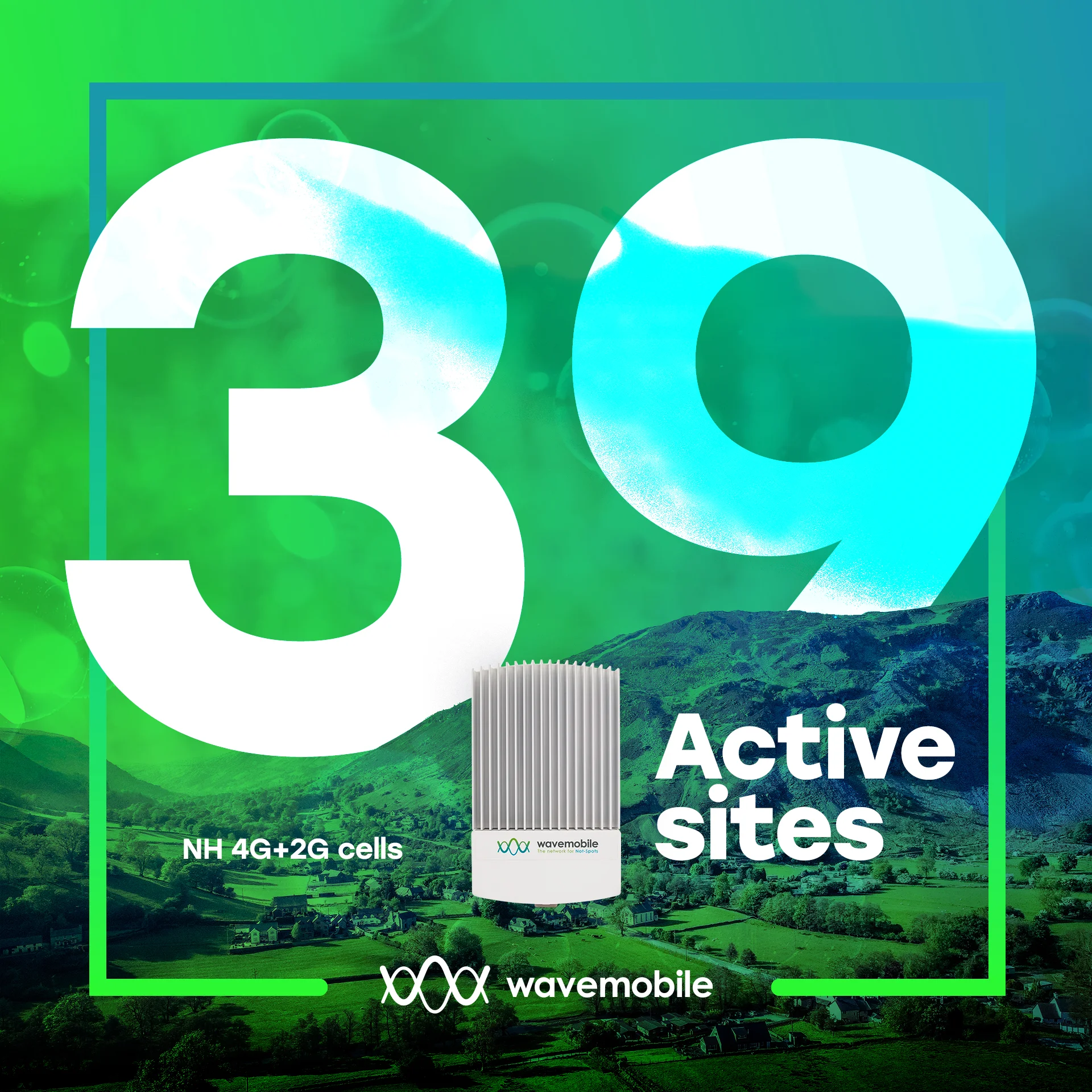
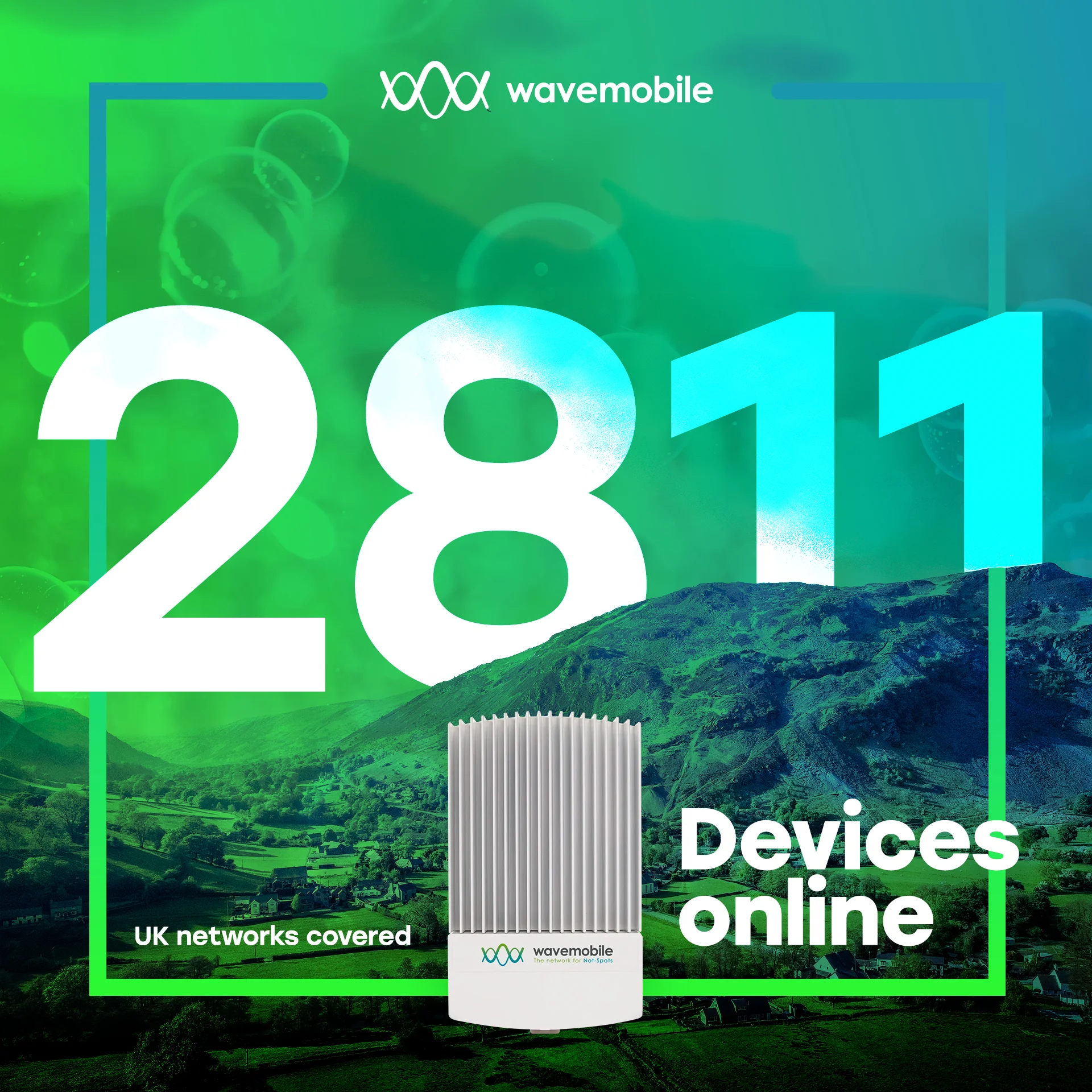
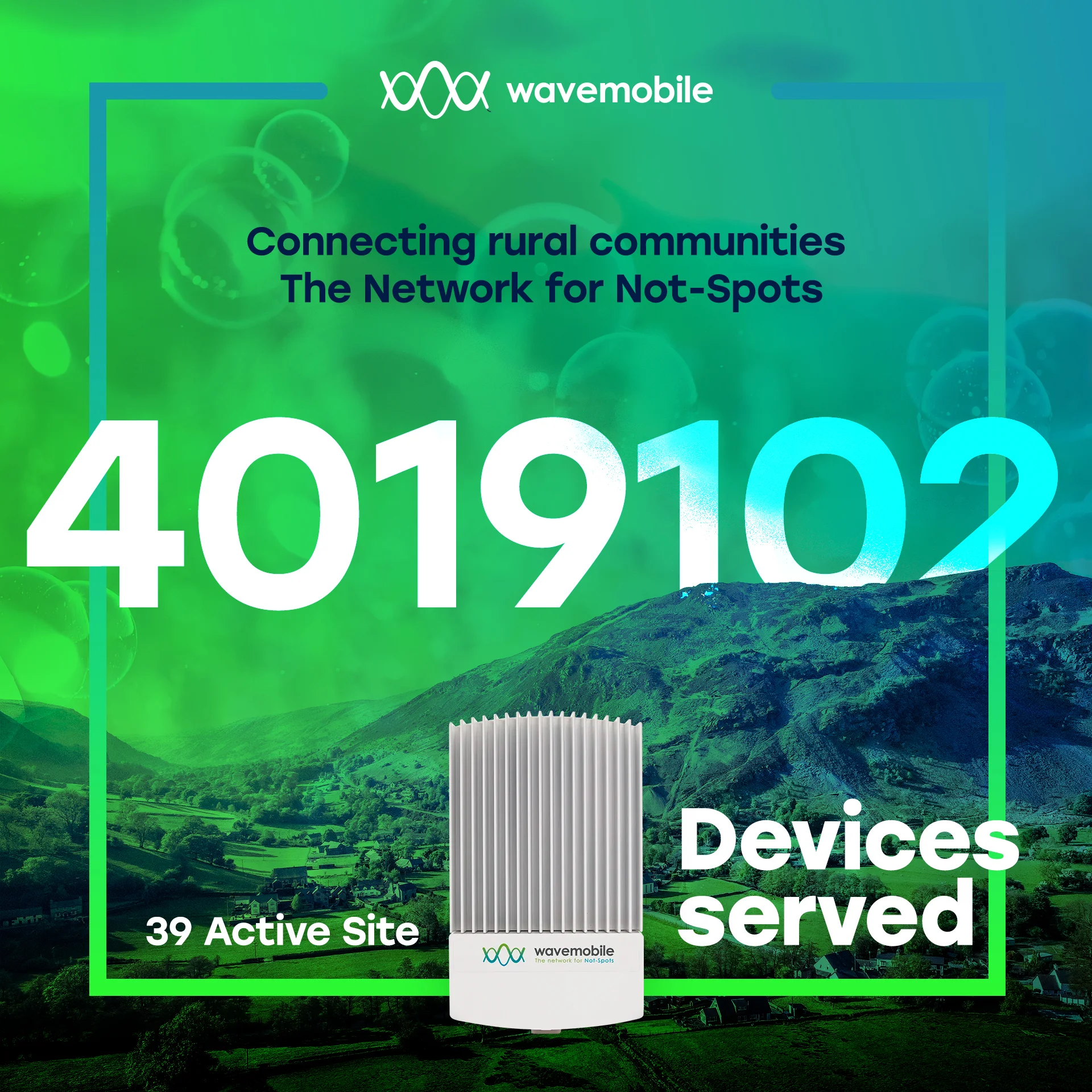
Check out how we helped wavemobile connect rural audiences through social media.
Brand consideration (during purchase)
At this stage, your audience is evaluating and comparing. Every detail shapes confidence and conversion. Key consideration-stage touchpoints include:
- Website pages, product or service landing pages
- Spec sheets, brochures and downloadable PDFs
- Case studies, testimonials and online reviews
- FAQs, comparison charts or explainer videos
- Live chat or chatbot interactions
- Sales calls, proposals and branded quote documents
- Interactive tools, demos or calculators
- Email nurture sequences and remarketing campaigns
- Branded presentations or sales decks
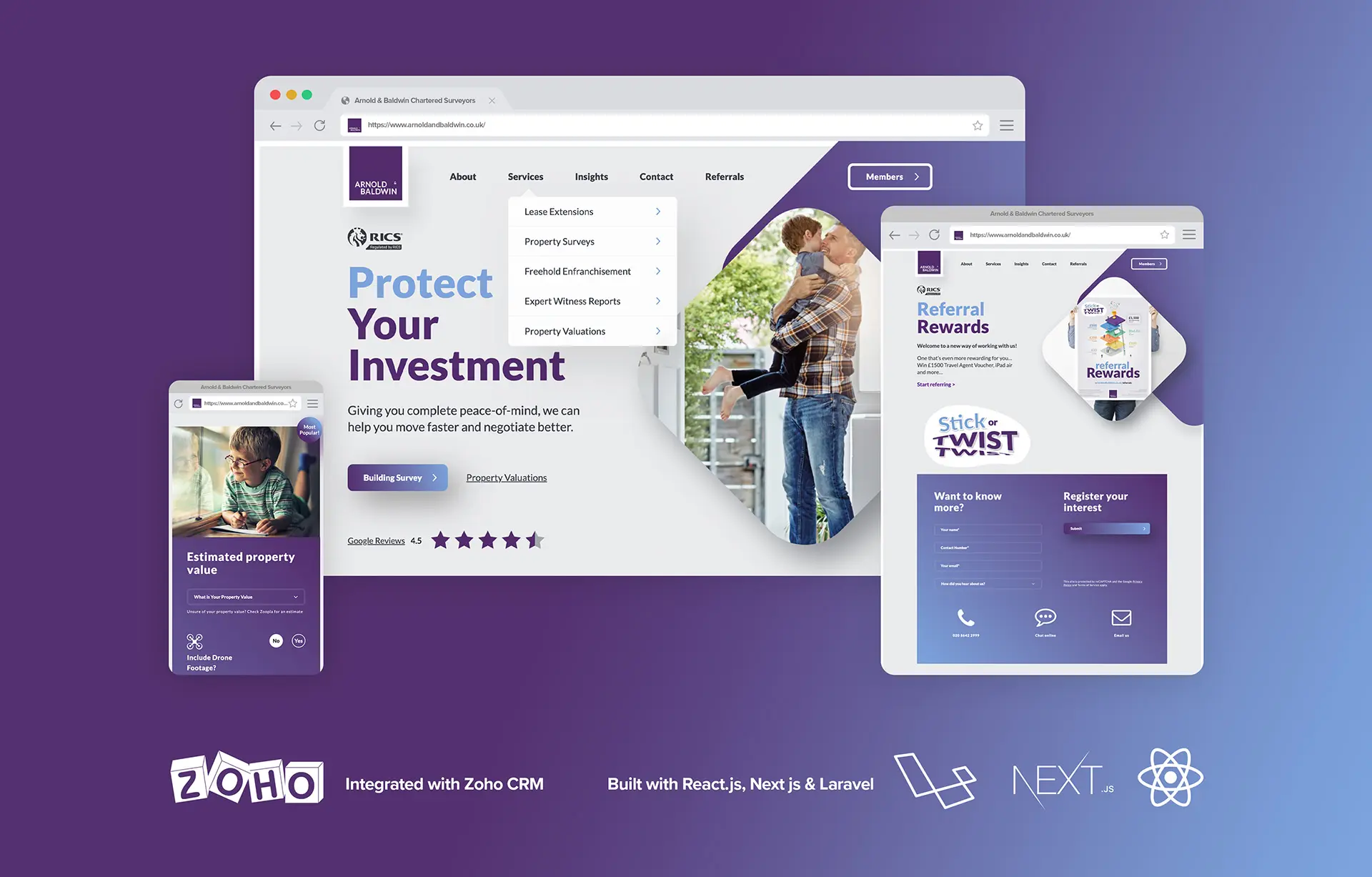
We helped Arnold & Baldwin build trust through branded brochures, digital comms and a well-structured website.
Post-purchase (loyalty and advocacy)
Once the sale is made, the relationship really starts. Great brands turn customers into advocates through meaningful follow-up and ongoing value. Important post-purchase touchpoints include:
- Thank-you emails and onboarding experiences
- Loyalty or referral programmes
- Review requests and feedback forms
- Customer service and account management interactions
- Educational content or how-to guides
- Social engagement and community building
- Aftercare check-ins and renewal reminders
- CSR or sustainability updates that reinforce shared values
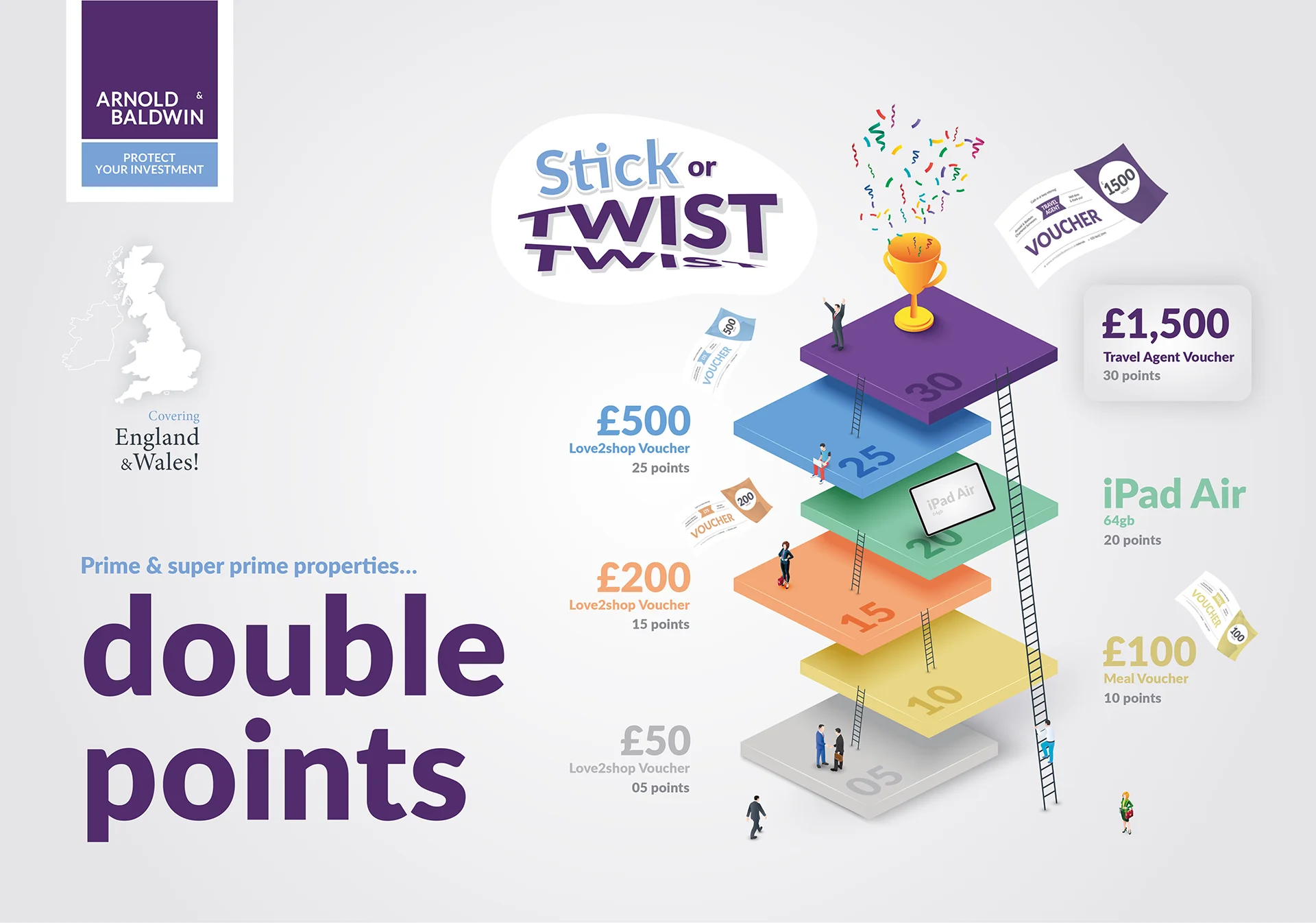
Explore how our post-sale referral campaigns helped Arnold & Baldwin enhance retention and save time.
Mapping your brand touchpoints to this journey helps you optimise them for the moments that matter most.
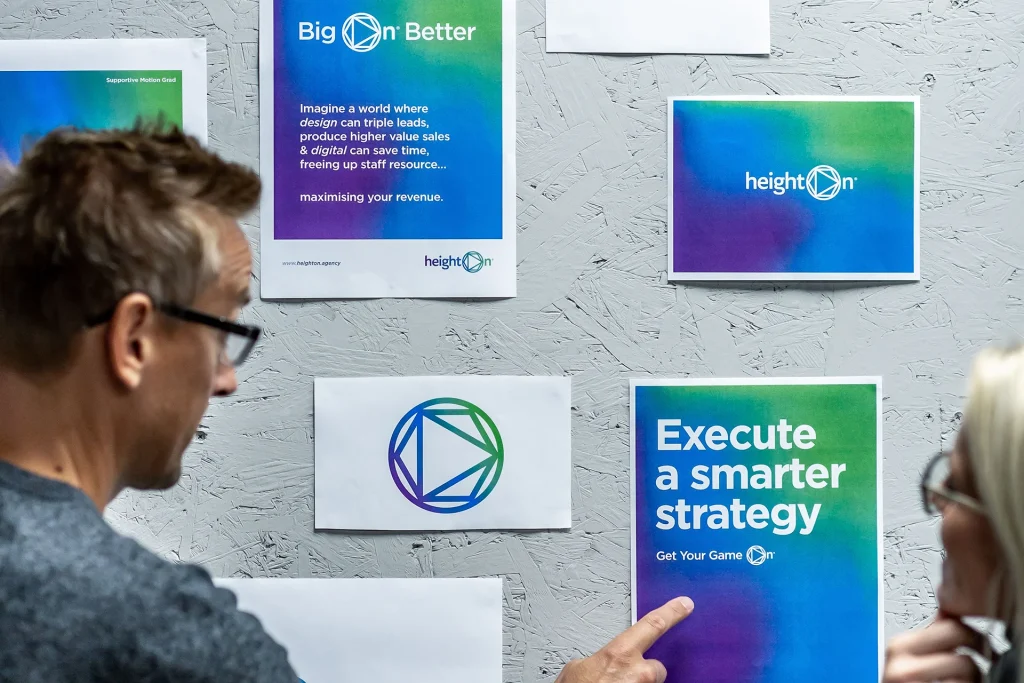
On Psychology: how cognitive biases shape brand touchpoints
“Brand touchpoints are the building blocks of your identity. They are the moments when consumers interact with your brand, forming their perceptions and influencing their decisions. By strategically managing these touchpoints, you can create a brand experience that resonates with your audience and drives long-term success.”

Chris HeightOn
Great design isn’t just about looking good – it’s about how it makes people feel. Cognitive biases play a big role in how customers respond to touchpoints. Here are three to be aware of:
1. Social proof
People trust what others trust. Add testimonials, reviews and user content to landing pages, packaging and sales collateral. Learn how to leverage social proof on social media.
2. Authority
Certifications, awards and expert endorsements all boost credibility. Position these strategically across brand touchpoints.
3. Reciprocity
Give value first – a helpful guide, a useful freebie – and people are more likely to return the favour with engagement or purchase.
On First impressions: the halo effect of standout touchpoints
“A single outstanding touchpoint – whether it’s your packaging, signage or homepage – can shape the way people perceive your entire business. It’s why design matters so much.”
Domonique HeightOn
When one part of your brand looks polished and professional, it elevates everything else. This is the halo effect.
A beautifully designed website, brochure or package can lead customers to assume your product or service is just as premium. Learn more in our guide to Switch On Success: bespoke vs customised website design. That’s why it pays to get your most visible touchpoints right first – they set the tone for all the others.
A high-performing, on-brand website creates a lasting first impression.
Evaluating brand touchpoints: quality over quantity
More isn’t always better. The key is to choose touchpoints that:
- Align with your audience’s habits
- Reflect your brand’s personality
- Deliver value at key stages of the customer journey
Smart brands choose the right mix of media to match their market. See how brand clarity builds better businesses.
Not every brand needs TikTok or print, but most need tailored digital solutions that deliver.
A fashion brand might prioritise Instagram and packaging. A B2B consultancy might focus on case studies, webinars and LinkedIn.
For small businesses, the key is not to be everywhere – it is to show up consistently in the places your customers already look. Our guide to branding for small businesses explains how SMEs can connect brand strategy, identity, consistency and touchpoints without overcomplicating the process.
The importance of consistency
Inconsistent touchpoints weaken your brand. Mismatched fonts, unclear tone or off-brand messages confuse your audience and dilute trust.
The goal? Brand harmony. When your visual identity, voice and message work together across every touchpoint, your brand feels reliable and recognisable – and people are more likely to remember and recommend you.
If your touchpoints feel disconnected because the business has changed, a wider brand transformation may be the better route. Rebranding can help bring your positioning, identity, messaging, website and sales materials back into alignment.
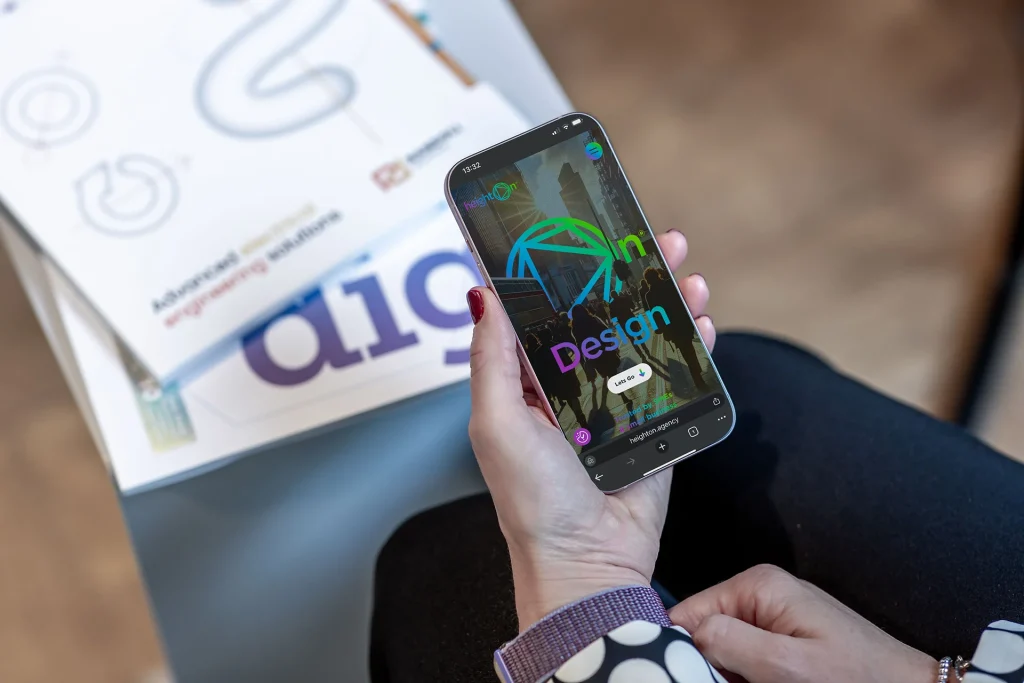
On Better: building the right brand touchpoints
“Investing in both content and design as part of the website development process is essential to producing a website that truly reflects the ambitions of your brand. It should benefit every part of your business – streamlining operations and informing strategy.”
Chris HeightOn
Whether you need a website that works harder, packaging that turns heads, or a digital campaign that gets results – we build brand touchpoints that connect and convert.
Explore how digital marketing connects your brand at every online touchpoint or learn why print still plays a powerful role in multi-touchpoint marketing.
Want to see better brand touchpoints in action? Explore how we brought strategy, identity, website design and digital rollout together for Arnold & Baldwin, Randoll Industrial and W. A. Thompson – or explore more branding success stories.
Dive deeper with…
On Brand Identity Design: what it is and how it works
On Business Logo Design: how professional logo designers create real impact
The HeightOn Rebrand: Big On Better by design
On Strategy & Design: why your brand and website won’t deliver without ongoing investment
Switch On Success: bespoke vs customised website design
FAQs about brand touchpoints
What are brand touchpoints in marketing?
Brand touchpoints are all the moments where your audience interacts with your brand – from your website and packaging to social posts and sales calls. They help shape perception, build trust, and guide the customer journey.
What’s the difference between brand touchpoints and brand assets?
Brand assets are the visual and verbal elements that make your brand recognisable – like your logo, colour palette, or tone of voice. Brand touchpoints are the places those assets are experienced – your homepage, an email, or a piece of packaging.
What’s the 7-touchpoint rule?
It’s the idea that people need around seven interactions with a brand before they feel ready to buy. Each touchpoint builds familiarity and trust, nudging people closer to action.
How do I choose the right touchpoints for my brand?
Focus on where your audience spends their time and what channels they trust. A fashion label might invest in Instagram and packaging; a B2B firm might prioritise email, LinkedIn, and whitepapers.
How many touchpoints should a brand have?
It’s not about quantity – it’s about relevance and consistency. A few well-chosen, well-designed touchpoints are better than lots of disconnected ones.
Can HeightOn help me design and optimise my brand touchpoints?
Absolutely. From strategy to delivery, we help brands build better experiences across every touchpoint – online and offline.
Do brand touchpoints matter during a rebrand?
Yes. A rebrand is only effective if the new strategy, identity and messaging are applied consistently across the places people experience your business. That includes your website, proposals, social media, brochures, signage, email templates, sales materials and customer communications
Smarter solutions to
Switch On Success
Let’s build better – 01435 692 023
Latest Articles

Branding for small businesses

Why better websites win in 2026
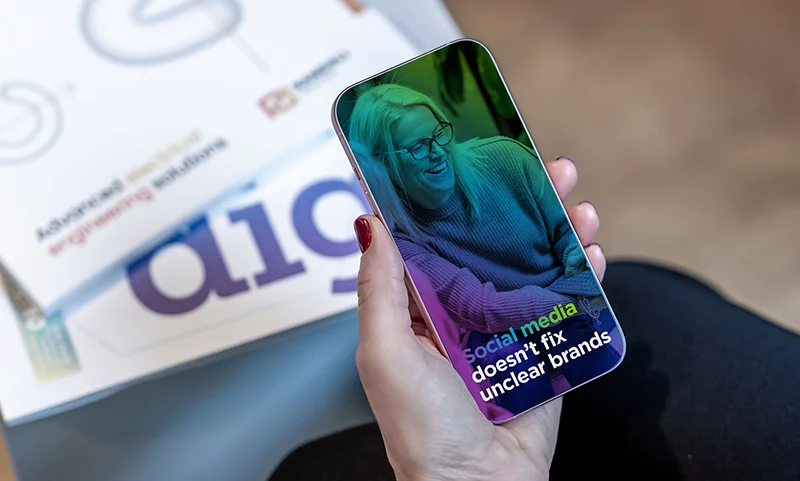
Why social media is only as strong as your brand


Let’s talk – 01435 692 023
Horam, Heathfield, East Sussex





131 trees planted
How we’re making better choices for people, planet and purpose. Sustainability – read more
